How to Teach Kids About Thoughtful Gift Giving
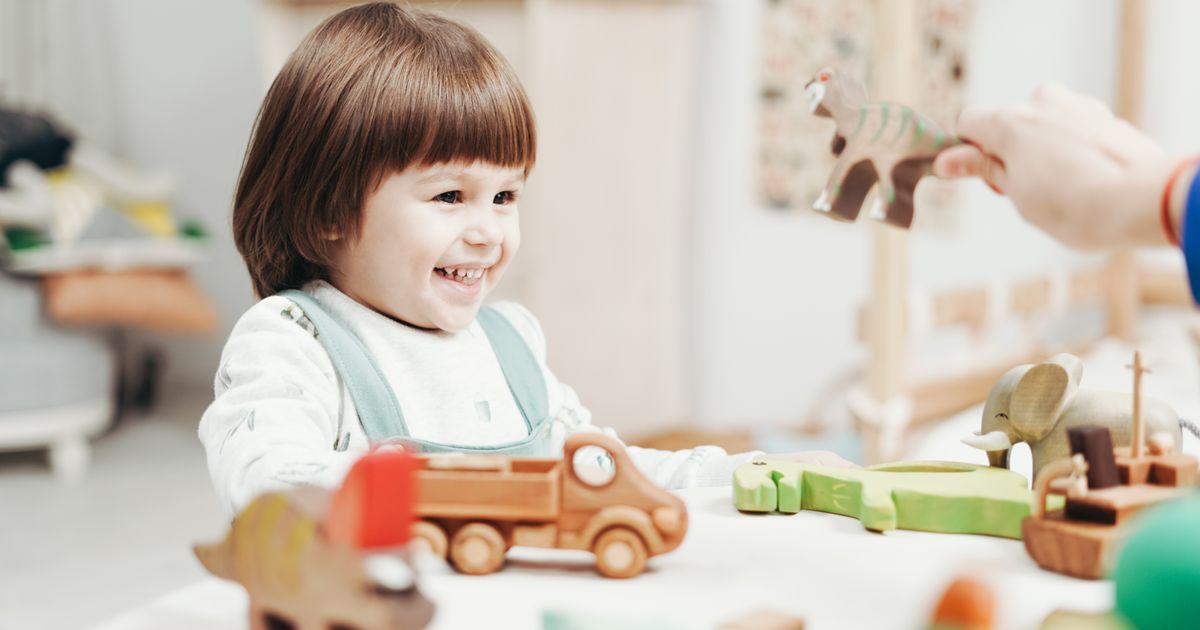
If you have ever watched a six-year-old shop for someone else, you know the pattern. They find something they like, declare it perfect, and move on. The concept of thinking about what another person might enjoy is a skill, and like any skill, it needs to be taught.
None of this happens in one conversation. It takes several years of small, repeated practice, and the earlier it starts the more natural it eventually feels.
Start With Questions
Before you even enter a store or open a browser, sit down with your kid and ask: "What does Grandma like to do? What does she talk about? What would make her smile?" This simple exercise shifts their focus from themselves to the other person, and that is the entire foundation of good gift giving.
Write the answers down where they can see them. Making the list visible turns an abstract discussion into something they can work from, and it gives them a sense of having done the research themselves rather than being handed a conclusion.
Expect the first few answers to be about them. "Grandma likes dinosaurs" from a child who likes dinosaurs is completely normal at five. Gently ask how they know, and let them work out the difference between what they enjoy and what somebody else does.
Set a Budget Together
Give them a number. "We have $20 to spend on Grandma." This teaches them to make choices within limits, which is a life skill that goes way beyond gift shopping. Let them hold the cash or watch you count it out so the budget feels real.
Cash works far better than a card for younger kids, because the money physically disappears at the till. That moment does more to explain trade-offs than any amount of explaining, and it lands especially well when they have to choose between two things they both wanted.
Once they are old enough to have their own money, having them contribute part of it changes the exercise entirely. A gift bought with money they earned means something different to them, and they will remember giving it.
Let Them Choose (Even If It Is Not Perfect)
Your kid might decide that Grandma absolutely needs a rubber duck. And you know what? That is fine. The point is not a perfect gift. The point is that they went through the process of thinking about someone else, making a decision, and following through. The rubber duck has a story behind it, and Grandma will love the story more than any object.
Overriding the choice is the main way this goes wrong. If the child ends up handing over a gift you selected, they learn that their judgement was not good enough and the whole exercise was theatre. Let the imperfect gift happen.
Making Instead of Buying
Handmade gifts teach the same lesson with the money removed, which is useful for younger kids and for families where the budget is tight. Drawings, decorated cards, a jar of homemade cookie mix, a painted plant pot, a card with a voucher for jobs around the house.
The thing to steer them toward is making something for that specific person rather than making something and then deciding who gets it. That distinction is the whole skill, and it is easier to teach with materials on a kitchen table than in a shop.
Involve Them in Wrapping and Giving
Let them wrap it, even if it looks like a crumpled mess. Let them hand it over and watch the reaction. The joy of giving is in the moment, and kids need to experience that moment repeatedly before it becomes natural.
Teach the receiving side at the same time. Saying thank you properly, looking at the person, not announcing that you already have one — those reactions are learned, and the best time to practise is right before a birthday party where they will be opening things in front of an audience.
Introduce Wishlists Early
Help your kids make their own wishlists and encourage them to look at other people's wishlists when shopping. It normalizes the idea of asking for what you want and respecting what others want. Send Me Your Gifts makes this easy because the whole family can have wishlists that everyone can see.
There is a bonus here for parents dealing with the December avalanche. A child who has thought about what they genuinely want, written it down, and had to prioritise within it is having a very different experience than one pointing at a screen. Asking them to rank the list, or cap it at ten items, turns wanting into deciding.
Model It Yourself
Kids learn more from watching you than from anything you tell them. When you check someone's wishlist before buying, when you put thought into wrapping, when you write a real note in a card, they notice. Gift giving is a learned behavior, and you are the teacher whether you realize it or not.
They also notice how you receive things. A parent who visibly appreciates a modest gift teaches more in ten seconds than a lecture about gratitude ever will.
Start early, be patient, and let them make their own choices. The rubber duck years do not last forever, but the habits you build during them do.
Keep browsing
More ideas in gifts for kids.
Or create your own free wishlist — add gifts from any store, share one link, and let people claim what they are buying so nothing arrives twice.