Gift Ideas for People Who Have Everything
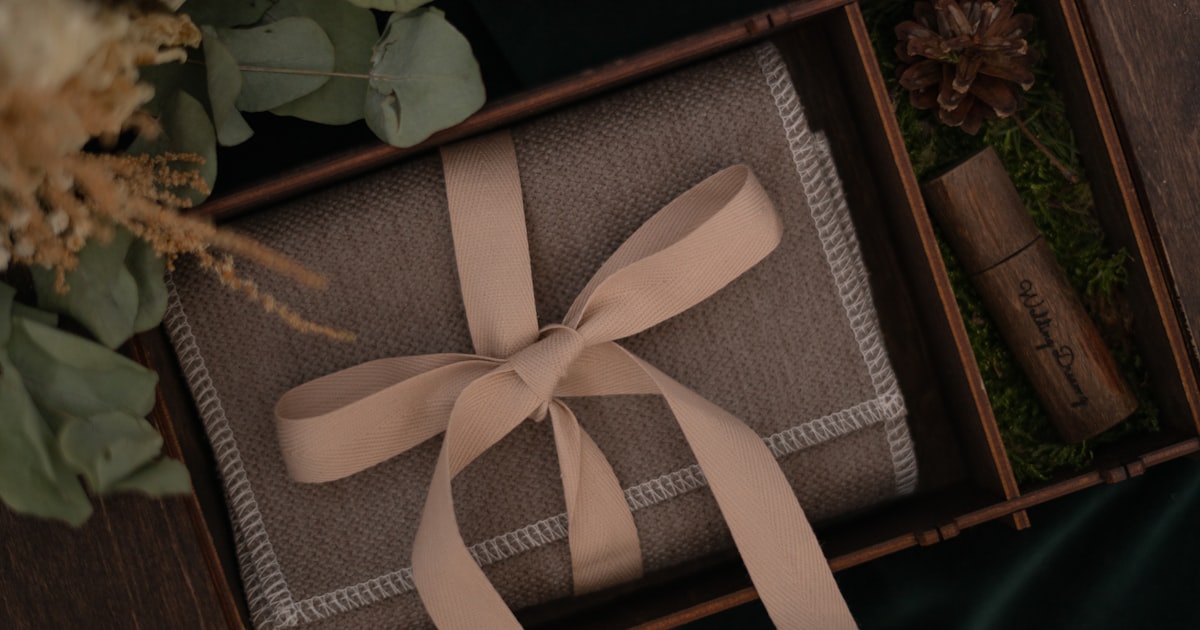
Some people seem to own everything. The trick is to stop buying things and start giving experiences, consumables, and moments they cannot buy for themselves.
It helps to understand why this person is hard to shop for. It is rarely that they own literally everything. It is that they buy what they want when they want it, so the gap between wanting and owning never stays open long enough for a gift to fill it. You are not competing against their possessions, you are competing against their own credit card. That means the winning gift has to be something they would not think to buy, would not justify buying, or cannot buy alone.
Give Experiences
- Tickets to an event they would never book
- A class in something they are curious about
- A weekend getaway
The strength of an experience is that it does not compete with anything on their shelves. It also comes with a date attached, which is a gift in itself for people whose calendars fill with obligations and never with anything purely enjoyable.
Canadian options that consistently work: a cooking or knife skills class in the $90 to $180 range, a Niagara or Okanagan winery tour, a helicopter or floatplane tour in Vancouver or Toronto, a Northern Lights weekend in Yellowknife or Churchill for a bigger budget, a curling or axe-throwing lane for a group, or a season pass to a local theatre or gallery. Sports tickets work if you know their team; they land flat if you guess.
The version that works best pairs the experience with your own time. A ticket for two, with you as the second ticket, changes the gift from a transaction into a plan. For people who already have everything, attention is genuinely the scarce resource.
Give Consumables
People who own everything still run out of great coffee, fine chocolate, and small-batch treats. Premium consumables are always welcome.
Consumables sidestep the entire problem, because nothing is being added permanently to a home that is already full. They also let you spend meaningfully at any level. Twenty-five dollars buys an excellent bag of single-origin beans from a Canadian roaster. A hundred and fifty buys a serious olive oil, a good bottle, or a curated box of things they would never assemble themselves.
Go one level above what they buy for themselves rather than into a different category. Someone who drinks wine every week does not need a wine subscription; they might genuinely appreciate one bottle at three times their usual price with a note about why you chose it. A person who cooks constantly would use a good finishing salt, a real aged balsamic, or saffron. The move is quality, not novelty.
Give Something They Cannot Buy
This is the highest-hit-rate category and the one people skip because it takes effort rather than money.
- A book of letters collected from twenty people in their life, describing something specific about them
- Old family photographs scanned, restored, and printed properly
- Home video or 8mm film digitized before it degrades further
- A recorded interview with a parent or grandparent, asking the questions nobody has asked
- A commissioned illustration of their house, their dog, or a place that matters to them
- A written history of a family recipe, with the original handwriting reproduced
None of these are available at any price, which is exactly the point. They also tend to be the gifts that end up on a wall or in a permanent place, rather than in rotation with everything else they own.
Give It Away On Their Behalf
For someone with genuine abundance, a donation in their name can be the most fitting gift of the year, provided you choose well. Generic is forgettable; specific is moving. A donation to the animal rescue they adopted from, to the hospital ward that treated a family member, to a food bank in the town they grew up in, or to a conservation project on a lake they love all carry a personal thread.
Charitable gift catalogues, where the donation funds something concrete such as school supplies or clean water infrastructure, give the recipient a card describing exactly what their gift did. That specificity is what separates this from a tax receipt in an envelope.
Make It Personal
A custom or handmade gift sidesteps the "they already have it" problem entirely because nobody else has one.
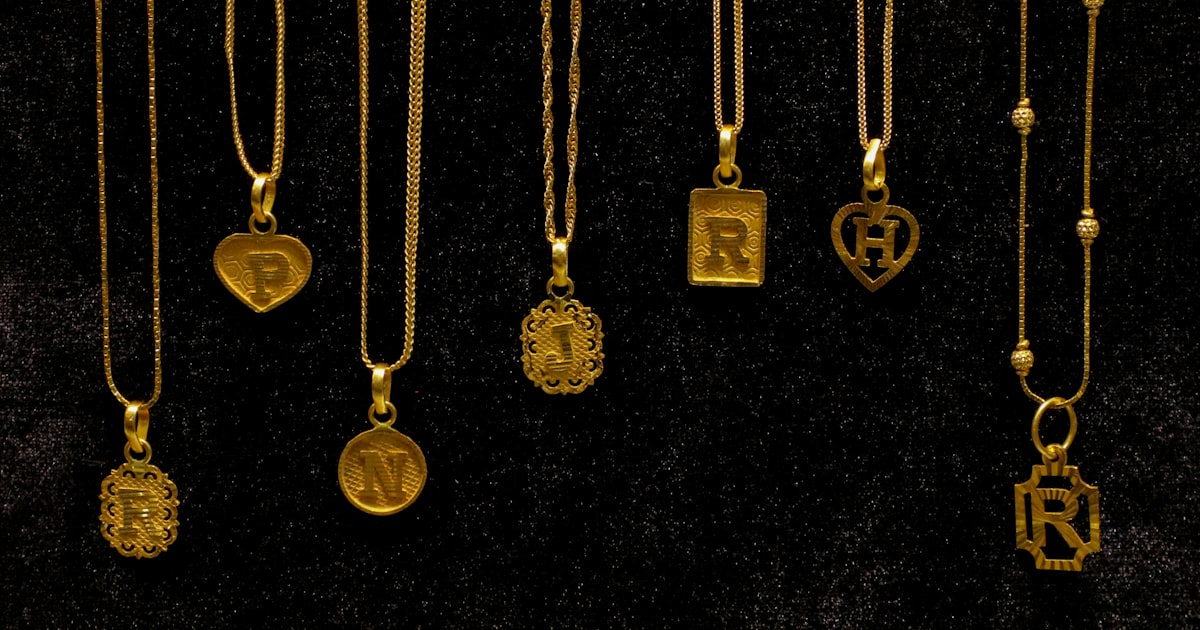
Personalization only works when the detail is meaningful rather than decorative. Initials on a wallet are fine and forgettable. Coordinates of the place they got engaged, a line from a song that matters to them engraved somewhere only they would see, or a map of the neighbourhood they grew up in carries actual weight.
Order custom work early. Canadian makers on Etsy and independent studios typically need two to four weeks for engraved, illustrated, or handmade pieces, and December turnaround times stretch further. A rushed personalized gift with a typo in the date is worse than no personalization at all, so proof the spelling twice before you approve anything.
Or Simply Ask
There is a strain of gifting purism that treats asking as a failure of imagination. In practice, the people who "have everything" are exactly the people worth asking, because their wants are specific and narrow and you will not guess them.
A shared wishlist is the low-friction version of that question. They add the handful of things they have been circling, at whatever price points make sense, and everyone shopping for them stops guessing. It also handles the coordination problem that follows this person around: five relatives all reaching for the same idea because it was the only one anybody could think of.
Ready to put this into action? Create a free wishlist on Send Me Your Gifts and share one link so everyone knows exactly what to give.
Keep browsing
More ideas in experiences.
Or create your own free wishlist — add gifts from any store, share one link, and let people claim what they are buying so nothing arrives twice.
As an Amazon Associate we earn from qualifying purchases. Prices and availability are accurate as of the date shown and are subject to change.