Baby Registry Privacy: How to Share Your Registry Without Oversharing
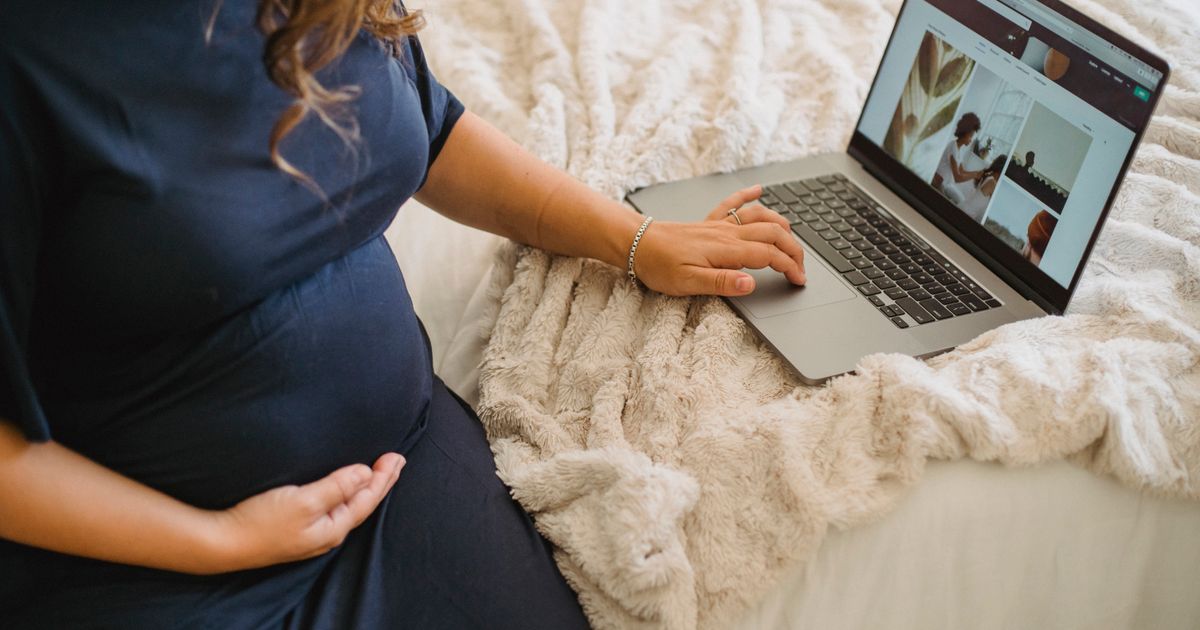
A baby registry goes further than any other list you'll make. It goes to the shower guests, then your coworkers, then your partner's cousins, then a neighbour your mother mentioned it to, and quite possibly into a Facebook post. Most of those people mean well. The registry itself, though, can carry a lot of information about a baby who doesn't exist yet: when they're due, what they'll be called, and where they'll live.
This guide covers what a registry tends to reveal, the settings worth checking on the big registry sites, and how to get gifts delivered without your address doing the rounds. For the general version of all this, see how to share a wishlist without giving out your home address.
What a Baby Registry Tells People
- Your due date. Many registries display an arrival or due date so guests can time their gifts. It also tells everyone roughly when you'll be in hospital and when the house will be full of new, expensive things.
- The baby's name. If you've picked one and typed it into the registry, it's public before you've announced it. Some couples keep the name a secret until the birth on purpose, and a registry is an easy way to spoil that.
- The sex. Same story if you're saving it for a reveal or simply don't want the commentary.
- Your address. Some registries show it to gift buyers by default. More on that below.
- Your health. A breast pump, a specific pillow for pelvic pain, supplies for a NICU stay, something for a second pregnancy after a loss. All reasonable things to register for, and all things you might not want a coworker reading.
- Your nursery. Photos and a theme description can show the inside of your home, sometimes including the view from the window.
Why It Matters More for a Baby
Most of this is just awkward for an adult. For a baby it's the start of a record. A full name and a date of birth are two of the core facts used to identify someone for the rest of their life, and a registry that shows a name and a due date, followed by a birth announcement with the date, hands both to anyone who looks.
For some families it's also a safety question. If there's an estranged relative, a difficult ex or a custody situation in the background, a registry is one of the easiest ways for someone to learn where you live and when. If that's you, keep the registry private or link-only, with no address at all.
Settings to Check on Registry Sites
The big registry sites all handle this a little differently, and the settings change, so go through yours rather than relying on anyone's summary. These are the ones that matter:
- Visibility. Most registries offer some version of public, link-only and private, and public often means searchable by name. A baby registry rarely needs to be searchable. People who should see it can be sent the link.
- Address display. This is the one that catches people out. On Babylist, your shipping address is visible to friends and family by default, and hiding it is a separate setting under Visibility & privacy called "Do not show my address to gift givers". Making the registry private does not switch it on for you. Amazon's registries show gift buyers your name, city and province or state rather than the full address, but third-party sellers and delivery partners still receive the full address to ship the order.
- Arrival date. If a site needs one, see whether it will accept a month rather than a day. Guests don't need the exact date to buy a sleeper.
- Baby details. Leave the name and sex fields blank until you're happy for them to be public.
Then open the registry in a private browser window, logged out, and read it as a stranger would. That's the version everyone else sees.
Getting Gifts Without Your Address Going Around
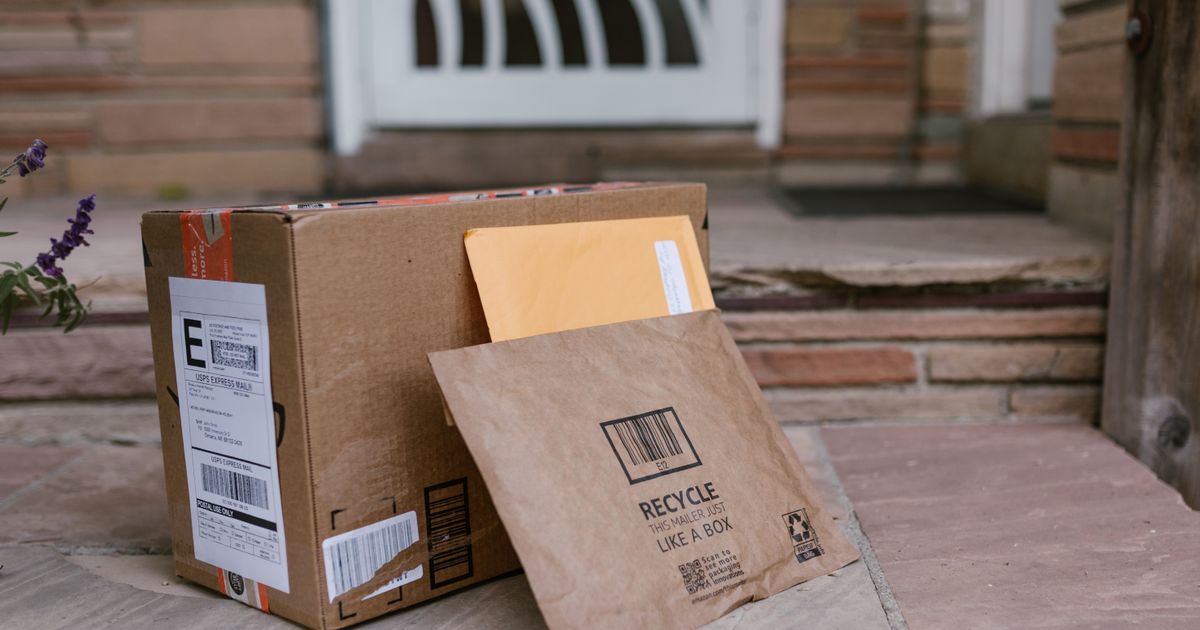
Shower gifts are the easy part: guests bring them. It's the shipped gifts from people who can't come, and the trickle of parcels after the birth, that need a plan.
- Send shipped gifts to the host. Whoever is throwing the shower is already collecting gifts, and their address is usually on the invitation anyway.
- Use a relative who lives nearby. A grandparent-to-be is often delighted to be the collection point. Agree how they'll get things to you.
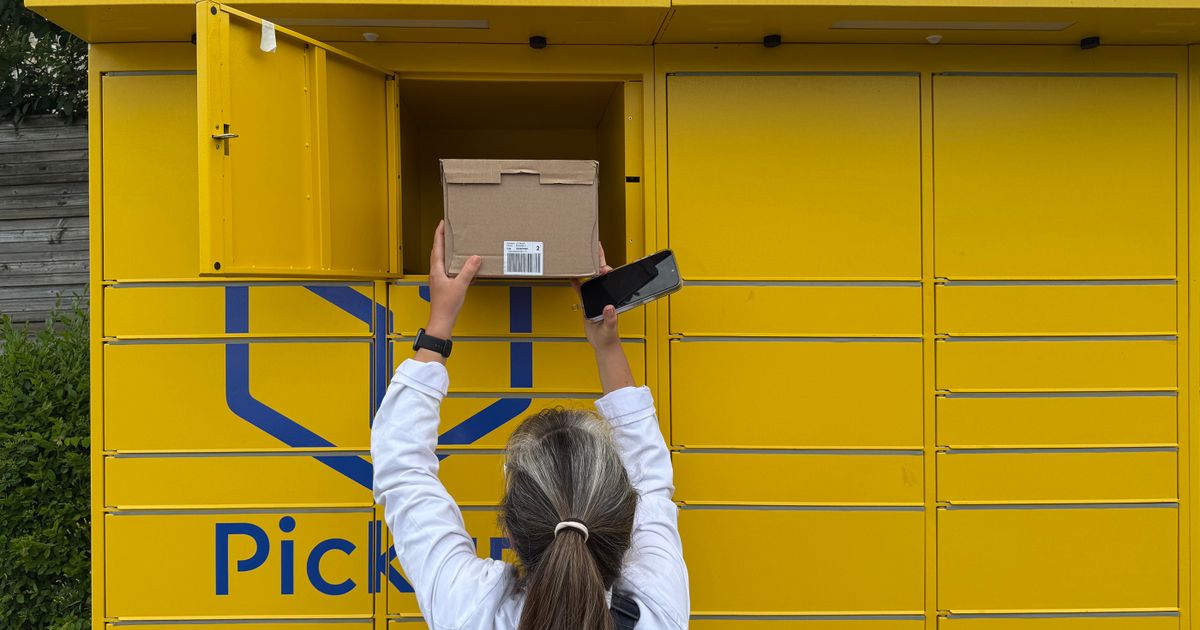
- Use a pickup point. Canada Post FlexDelivery is free and sends parcels to a post office you choose. Think about the timing, though: nobody wants to queue at a post office with a ten-day-old. It works well before the birth, less well after.
Our guide to getting gifts without giving out your address compares every option in more detail.
Share It Carefully
- Send the link rather than posting it. A shower invitation, a family group chat or a message to the people who ask. A public social post reaches people you've never met.
- Keep the title plain. "Jordan and Sam's Baby Registry" does the job. "Baby Olivia Rivera, arriving March 3" does a lot more than the job.
- Tell the host what to share. Ask the person organising the shower to pass on the link, and to leave your address out of the invitation if gifts are coming to the party anyway.
- Close it afterwards. Once the gifts have stopped arriving, set the registry to private or delete it. A registry left public for years is a record of exactly when your child was born.
A Registry That Never Needs Your Address
On Send Me Your Gifts a registry is a list of items from any store, from the big baby retailers to a small shop that makes one perfect swaddle. Guests buy straight from the store and claim the item on your list so nothing is bought twice. The site never asks for your address and never shows one, so you decide how gifts reach you and say so in the description. Lists can be public, unlisted or private, and guests don't need an account to use one.
If you're still building the list, how many items should be on a baby registry and the first-time parents' checklist will help, and how to set up a registry friends will actually use covers the rest. When you're ready, start a free baby registry.
Keep browsing
More ideas in gifts for kids.
Or create your own free wishlist — add gifts from any store, share one link, and let people claim what they are buying so nothing arrives twice.